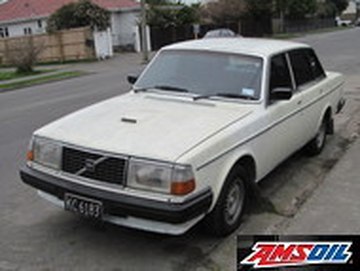
Lubrication Maintenance for the 1981 Volvo GLE 2.8L
Maintaining the mechanical integrity of a vehicle like the 1981 Volvo GLE requires a disciplined approach to fluid management and routine inspections. With the B28F engine, ensuring that the lubrication system is functioning correctly is a primary component of long-term ownership. Because this vehicle represents a specific era of automotive engineering, maintenance strategies should focus on monitoring current component conditions rather than relying on generalized assumptions.
Monitoring Fluid Integrity and Potential Leaks
One of the most effective ways to monitor the health of the 2.8L engine is through regular visual inspections for fluid seepage. Over time, various gaskets and seals may undergo changes in elasticity due to heat cycles and age. It is useful to inspect the area around the engine block and sealing surfaces for any signs of active leakage or residue.
When performing these checks, look for:
- Dampness or oily residue on the exterior of the engine components.
- Evidence of fluid pooling in the lower areas of the engine bay.
- Discoloration on surrounding metal surfaces that may indicate slow seepage.
If any signs of leakage are observed, they should be investigated promptly. Identifying a small seep early can prevent more significant issues later. It is also beneficial to check the condition of any visible hoses or connections that are part of the engine's peripheral systems to ensure they remain pliable and free of cracks.
Observing Changes in Engine Performance
Beyond visual inspections, an observant owner can identify potential lubrication concerns by noticing changes in how the vehicle operates. While symptoms can have many different origins, certain indicators warrant closer attention during routine service.
Changes in the way the engine sounds or behaves may be associated with lubrication status. For instance, unusual mechanical noises that occur specifically during startup or while the engine is at operating temperature should be noted. Additionally, if you notice an unexpected increase in lubricant consumption between service intervals, this is a signal to inspect the engine more thoroughly for potential causes.
It is important to remember that a single symptom, such as a change in exhaust appearance or a new noise, does not definitively point to one specific failed component. These signs are indicators that a professional inspection or a deeper diagnostic review is necessary to determine the actual cause.
Prioritizing Maintenance Based on Current Condition
For an older vehicle, the most effective maintenance strategy is to prioritize tasks based on the actual, observed condition of the machine rather than strictly following age-based assumptions. If you are stepping into ownership of a 1981 Volvo GLE without a complete service history, establishing a baseline is a logical first step.
To establish this baseline, begin by reviewing any available maintenance records. Documentation of previous oil changes, filter replacements, and major repairs provides invaluable context. If no records exist, your priority should be to perform a comprehensive inspection of all fluids and aging materials. This allows you to distinguish between routine preventive maintenance and necessary repairs that address active issues.
As the vehicle ages, focus on monitoring components that are sensitive to environmental factors and heat. This includes checking electrical connections for corrosion and ensuring that any accessible belts or hoses remain in good condition. By addressing active leaks or visible wear as they appear, you can manage the maintenance needs of the 2.8L engine more predictably.
The Role of High-Mileage Formulations
As engines undergo many years of service, the internal environment changes. Some owners choose to utilize high-mileage oil formulations during their service intervals. These specific products often contain additives intended for use in aging engines, such as seal-conditioning agents. While these are not a substitute for addressing mechanical failures, they can be a consideration when managing an engine that has seen significant use.
When deciding between conventional, synthetic blends, or full synthetic oils, the goal is to maintain consistent lubrication and protect against the buildup of deposits. Maintaining clean oil helps manage the internal cleanliness of the engine and assists in heat management during operation.
Effective Record Keeping for Long-Term Ownership
Consistent documentation is a cornerstone of successful long-term vehicle ownership. For the 1981 Volvo GLE, keeping a detailed log of every service performed—including the date, mileage, and specific products used—can be highly beneficial. This history becomes essential when you eventually need to diagnose a new issue or when attempting to maintain a consistent level of care.
A well-maintained record allows you to track:
- The frequency of oil and filter changes.
- The specific types of lubricants used in various systems.
- Observations made during routine inspections, such as minor seeps or belt wear.
- The replacement dates for age-sensitive components like hoses or electrical connectors.
Practical Guidance for Buying Engine Oil for your 1981 Volvo GLE 2.8L
When it is time to replenish your engine's lubricant, the most important step is to ensure the product matches the specific requirements of your application. Rather than relying on general automotive knowledge or assumptions based on the vehicle's age, you should always refer to the application-specific viscosity and oil information provided on this webpage.
Before making a purchase, follow these practical steps:
- Match the Viscosity: Use the exact SAE viscosity listed in the application information above. Do not substitute with a different grade unless specifically directed by your service documentation.
- Verify API Certification: Check the product label to ensure the oil meets current API service standards, which confirm the oil's quality and ability to control deposits.
- Consider Formulation: Depending on your engine's current condition and your maintenance goals, you may choose between conventional, synthetic blend, or full synthetic options. If the engine shows signs of significant age, you might consider high-mileage formulations that include seal-conditioning additives.
- Inspect the Label: Always double-check that the bottle in your hand matches the specifications required for the 1981 Volvo GLE 2.8L to avoid any compatibility issues.
By strictly adhering to the application-specific data provided here, you ensure that the lubrication you provide is appropriate for the mechanical needs of your engine.